
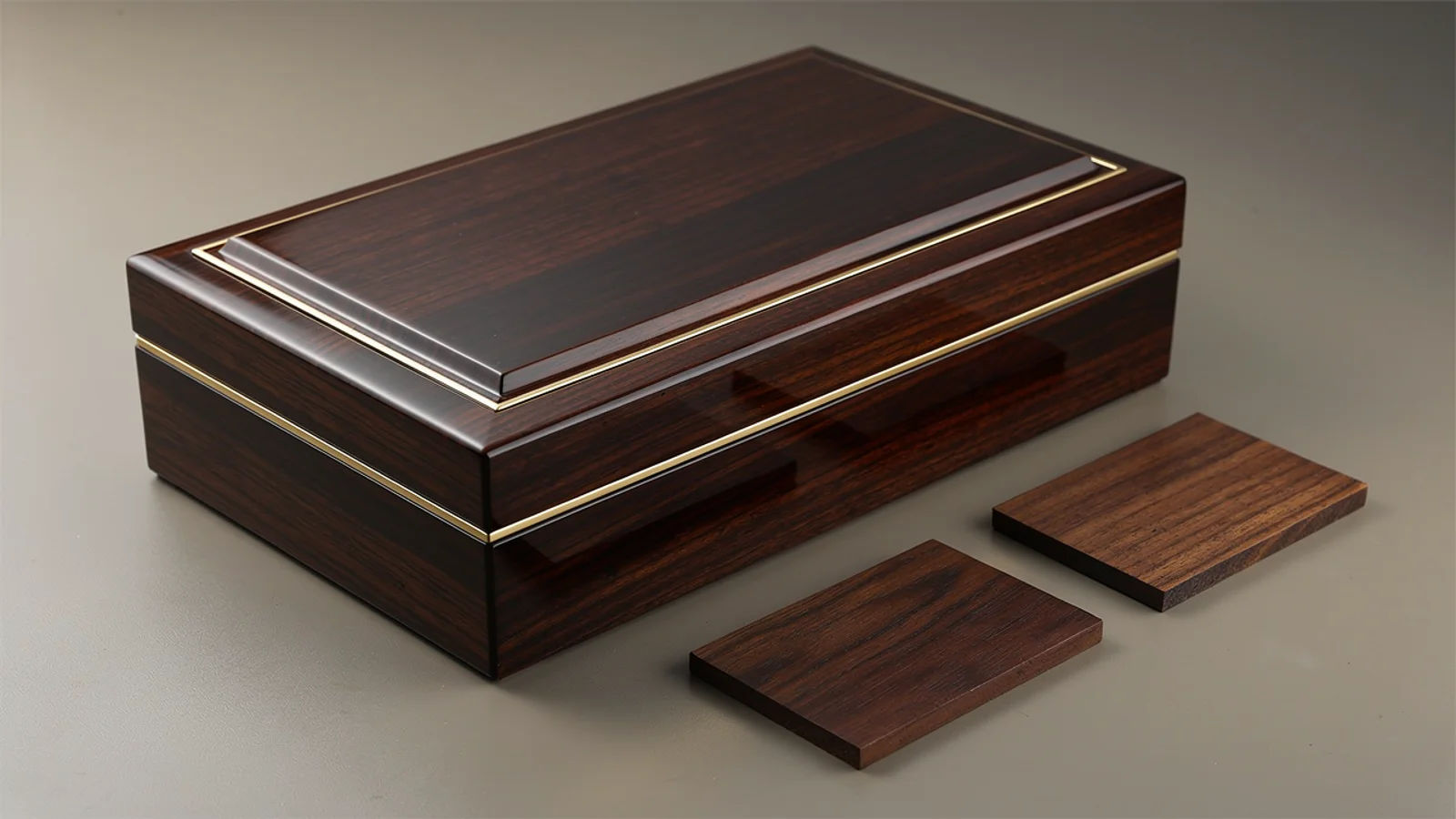

What does the cross hatch adhesion test actually tell you?
Buyers often use “cross hatch” and “cross-cut” when asking about a grid cut into a coating. The important next question is which documented method the supplier used. A tool name or a picture cannot answer that.
ISO 2409:2020 assesses how a coating resists separation after a lattice is cut through it to the substrate. ISO explicitly distinguishes this empirical result from a measurement of adhesion. The method can support a classification or an agreed pass/fail assessment.
For procurement, ask for the complete result in the language of the named method. “Excellent adhesion” is a conclusion without enough context. “Passed our tape test” also leaves open which specimen, procedure and acceptance rule were involved.
This guide concerns how to request and interpret evidence. The operator should use the applicable standard and suitable equipment for the actual surface; this article is not a substitute for the laboratory procedure.
Check applicability before agreeing the test
The visible wood grain does not identify everything beneath the finish. Confirm whether the test surface is solid wood, veneer over a specified panel, or another construction. The approval request should name the actual coated substrate, not simply “wooden box.”
ISO 2409 includes wood, but distinguishes procedures for hard and soft substrates. Its scope excludes textured coatings and total coating thickness above 250 µm. Check the measured coating build; a finish name such as “piano lacquer” is not a thickness measurement. As checked in September 2026, the 2020 edition remains published while a revision project is underway.
ASTM D3359-23 was developed for metallic substrates. It notes reported use on wood but also the lack of supporting precision and bias data, and calls for discussion of the appropriate method. It is not technically equivalent to ISO 2409. A report should therefore identify the chosen standard, method and any agreed limitations.
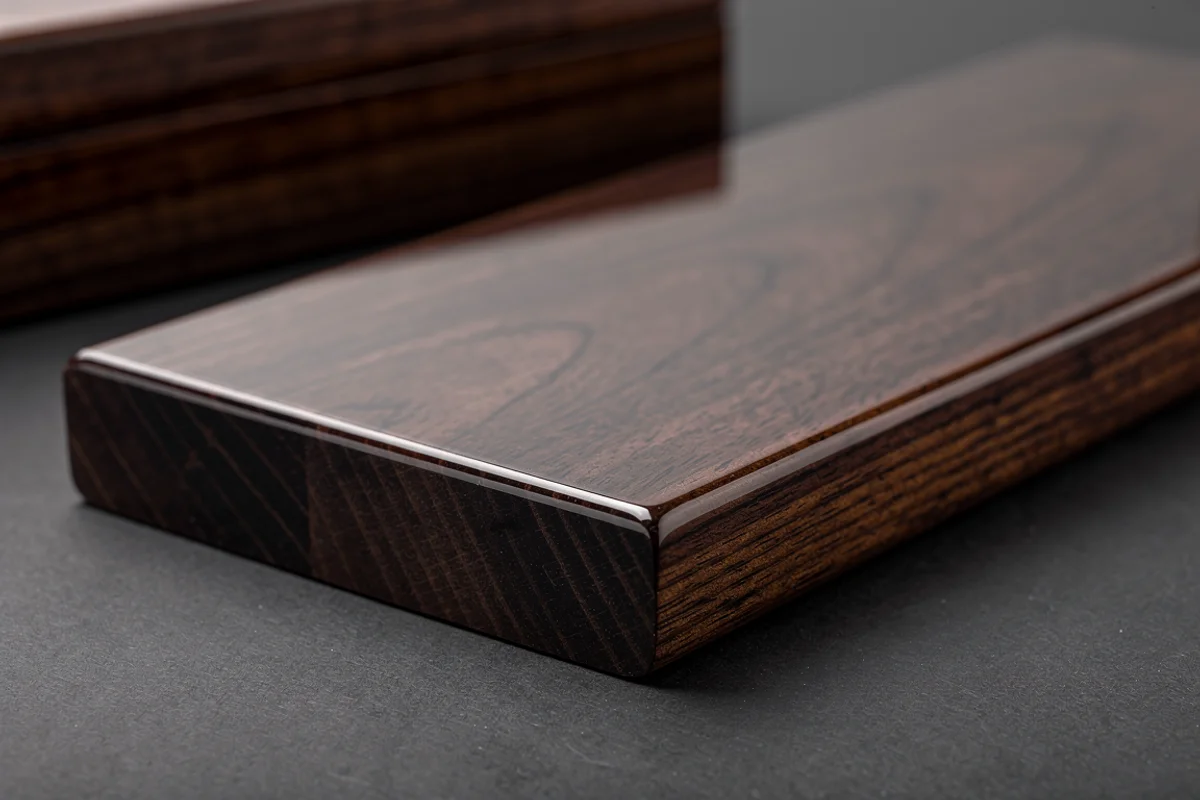
If a proposed method is outside its stated scope, pause the acceptance decision and ask the testing provider for an appropriate approach. Do not solve the mismatch by copying a rating from another project. Our wooden-box spray painting guide provides the broader finishing context.
Make the specimen traceable to your box
A sample panel can be convenient, but its value depends on what it represents. Ask why its result is relevant to the ordered construction. Similar color and gloss do not establish that the underlying material, preparation or coating sequence matches.
Consider this hypothetical approval example: a supplier sends a good result from a flat painted panel, while the order specifies a veneered lid with a revised clear finish. Before accepting the report, request the panel identity and its relationship to that revision. The missing information is traceability, even if the reported test was performed correctly.
The following is a recommended buyer checklist, not a reproduction of mandatory reporting clauses:
| Report item | Ask the supplier to identify | Buyer decision it supports |
|---|---|---|
| Specimen | Box or panel ID, material and revision | Does this evidence represent the order? |
| Finish system | Preparation, coating sequence and measured build | Is the proposed method applicable? |
| Test condition | Finish age, relevant conditioning and test date | Can the results be compared fairly? |
| Method | Standard edition, procedure and any deviation | Was the agreed assessment performed? |
| Location and result | Tested face, observations, rating and photographs | What area and outcome does the report cover? |
| Acceptance | Previously agreed requirement and disposition | Can this approval step be closed? |
For a finished box, distinguish the broad lid face from edges, profiles and other surfaces. Ask whether the selected test location answers the actual concern. Do not silently extend one flat-panel result to every detail of a complex assembly.
Also agree the number and selection of specimens. A test method and an order-level sampling plan answer different questions. The report should make clear whether it concerns development, an approved sample or a defined production inspection.
Read the failure description as well as the rating
ASTM D3359 notes that a multilayer system can separate between coats, leaving the coating-to-substrate relationship unresolved. Its public guidance also identifies operator technique, tape behavior and environmental conditions as influences on results. A rating alone cannot explain every observed failure.
Ask the testing provider to describe what was observed and what remains uncertain. If the image does not clearly show which layer is exposed, request clarification instead of assigning a root cause from color alone. Preserve the original specimen identification when exchanging additional photographs.
A useful review asks three separate questions: was the procedure suitable, was the result valid, and did it meet the agreed requirement? A failure may require a coating investigation; an incomplete report may require better documentation. Those are different next actions.
Avoid treating a repeat test as a way to replace an inconvenient record. If the specimen, preparation, finish age or procedure changes, keep both results and identify the change. This gives the buyer a basis for deciding whether the new evidence resolves the original concern.
Set acceptance before the result arrives
Agree who performs the assessment, who reviews it and which outcome is acceptable before testing. Keep the rating scale attached to its named method rather than treating a bare number as a universal quality score.
Here is a practical request a buyer can adapt: “Please confirm the proposed method is applicable to this substrate and coating build. Identify the specimen and finish revision, report the tested location and conditions, and compare the result with our agreed acceptance requirement. List any deviations before we approve.”
Do not invent a curing interval for every coating. Ask the supplier or testing provider to establish the relevant timing for the specified finish and record it. If two reports use different conditions, resolve that difference before presenting them as a direct comparison.
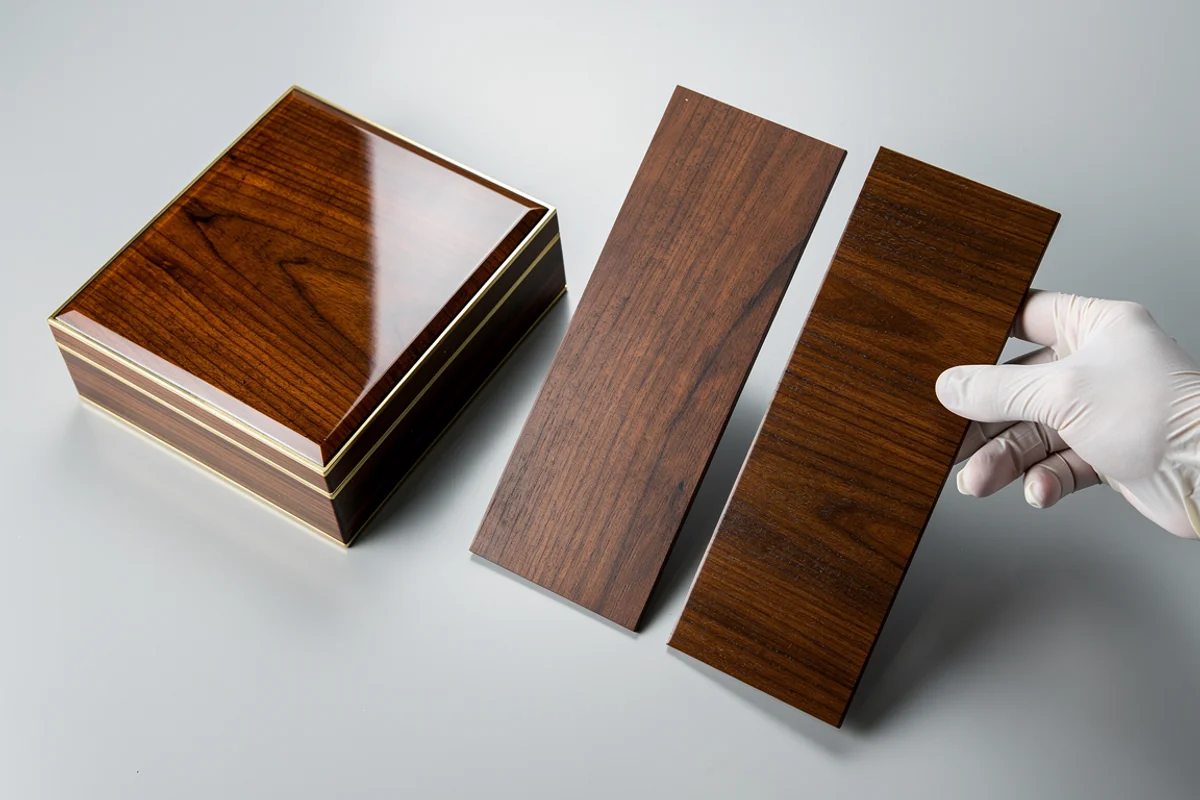
Plan the specimens before cutting a saleable lid. Agree which samples may be sacrificed, where testing is permitted and whether a separate appearance reference must remain intact. Link the report to the golden sample approval record, so the visual reference and destructive-test specimen are not confused.
Know when a different question needs different evidence
If the requirement concerns measured adhesion rather than a cross-cut classification, ask a qualified testing provider about an appropriate alternative. ISO 4624:2023 describes pull-off methods and distinguishes procedures according to substrate behavior, including deformation. It is an option to evaluate, not an automatic replacement that suits every box surface.
Likewise, keep scratch resistance, rubbing during handling, chemical contact and transport protection separate from coating-separation evidence. Start with the expected use and agree the relevant assessment. Passing one test does not close unrelated performance questions.
For appearance choices, the piano lacquer versus matte finish comparison discusses the visual brief. The test report should support that selected finish system without turning its gloss level into a durability promise.
Before releasing a custom wooden packaging order, retain the accepted report, specimen identity and finish revision together. If the substrate or coating system changes later, review whether the previous evidence still applies. To start a project, send XRX your finish reference and coating-test requirement so the scope can be discussed alongside the box construction.
Frequently Asked Questions
Does a cross hatch adhesion test measure bond strength?
A cross-cut classification is not a numerical measurement of bond strength. Read the result using the named method and its agreed acceptance requirement.
Can ASTM D3359 be applied to wooden boxes without qualification?
No. Its stated scope is metallic substrates, although it discusses reported use on wood and related limitations. Agree the suitable method and document its applicability to the actual construction.
Does passing a cross-cut test mean the finish is scratchproof?
No. The result does not establish scratch resistance or complete transport durability. Those requirements need their own relevant evidence.
Can a coated sample panel represent a finished wooden box?
It may provide relevant evidence when its material, preparation, coating system and revision are linked to the order. A similar-looking panel should not automatically be treated as representative of every box surface or production batch.
Should the appearance approval sample be used for destructive testing?
Agree this before testing. Identify which specimens may be cut and whether an intact appearance reference must be retained, so the test record remains traceable without losing the agreed visual reference.