
Sample-to-Production Consistency
Wooden Box Quality Control
for OEM & ODM Orders
Wooden box quality control is not a single inspection at the end of production. It begins with a manufacturable drawing and an approved sample, then continues through material preparation, woodworking, sanding, finishing, branding, hardware fitting, lining, assembly, final inspection and export packing.
XRX Wood Box helps B2B buyers define the details that matter before bulk production starts, so appearance, dimensions, opening action, product fit and packing can be checked against clear project references instead of vague expectations.
20+
Years Exp.
32K㎡
Factory
300+
Workers
10
R&D Staff
MOQ
500 pcs
Sample
7–15 days
Bulk
35–65 days
Approved Sample
Bulk Reference
Quality Starts Before Production
What B2B Buyers Need from Wooden Box Quality Control
A premium wooden box combines natural or engineered wood, coating, hardware, lining and manual assembly. Each process can affect the next one. Effective control therefore focuses on measurable project requirements and early prevention, not only on sorting finished boxes after value has already been added.
Dimensions and Product Fit
External size, internal clearance, lid alignment, insert cavity, bottle support, cushion pressure and accessory space must work together. A box can look correct while the actual product still fits poorly.
Surface Finish Consistency
Color, gloss, grain direction, edge preparation, dust, polishing marks and handling scratches are highly visible on painted, veneered and piano-lacquer wooden boxes. The approved physical sample remains the practical appearance reference.
Opening and Hardware Function
Hinges, magnets, locks, handles, stays, drawers and removable trays should align and operate smoothly. Hardware position and wooden-part tolerance influence both function and the visible gap around the lid.
Logo and Branding Accuracy
Artwork version, size, position, color, contrast and adhesion must match the approved reference. Engraving, printing, hot stamping and metal plates each require different preparation and inspection points.
Lining and Insert Workmanship
Velvet, EVA, sponge, leather-like lining and molded inserts require clean cutting, secure adhesion and controlled fit. Wrinkles, exposed adhesive, uneven edges or excessive pressure reduce the unboxing quality.
Protection During Packing
A finished surface can still be damaged by unsuitable wrapping, accessories moving inside the box, weak partitions or excessive carton movement. Export packing must protect the specific structure and finish.
From Drawing to Shipment
Wooden Box Quality Control Checkpoints
The route changes with the product. A clear-varnished solid wood wine box, a painted MDF perfume box, a cedar cigar box and a jewelry display prop do not share identical risks. The control plan should follow the approved structure, materials and finish instead of applying one generic checklist to every order.
Specification Review
Confirm drawings, dimensions, product fit, material, finish, logo, hardware, lining, insert, accessories, packing and buyer priorities.
Physical Sample Approval
Review the real sample with the intended product inside, recording approved details and any changes before bulk preparation.
Process Checks
Inspect critical material, machining, sanding, coating, logo, hardware, insert and assembly details before problems move to the next stage.
Final Product Review
Check appearance, dimensions, function, branding, cleanliness, accessories and quantity against the project references.
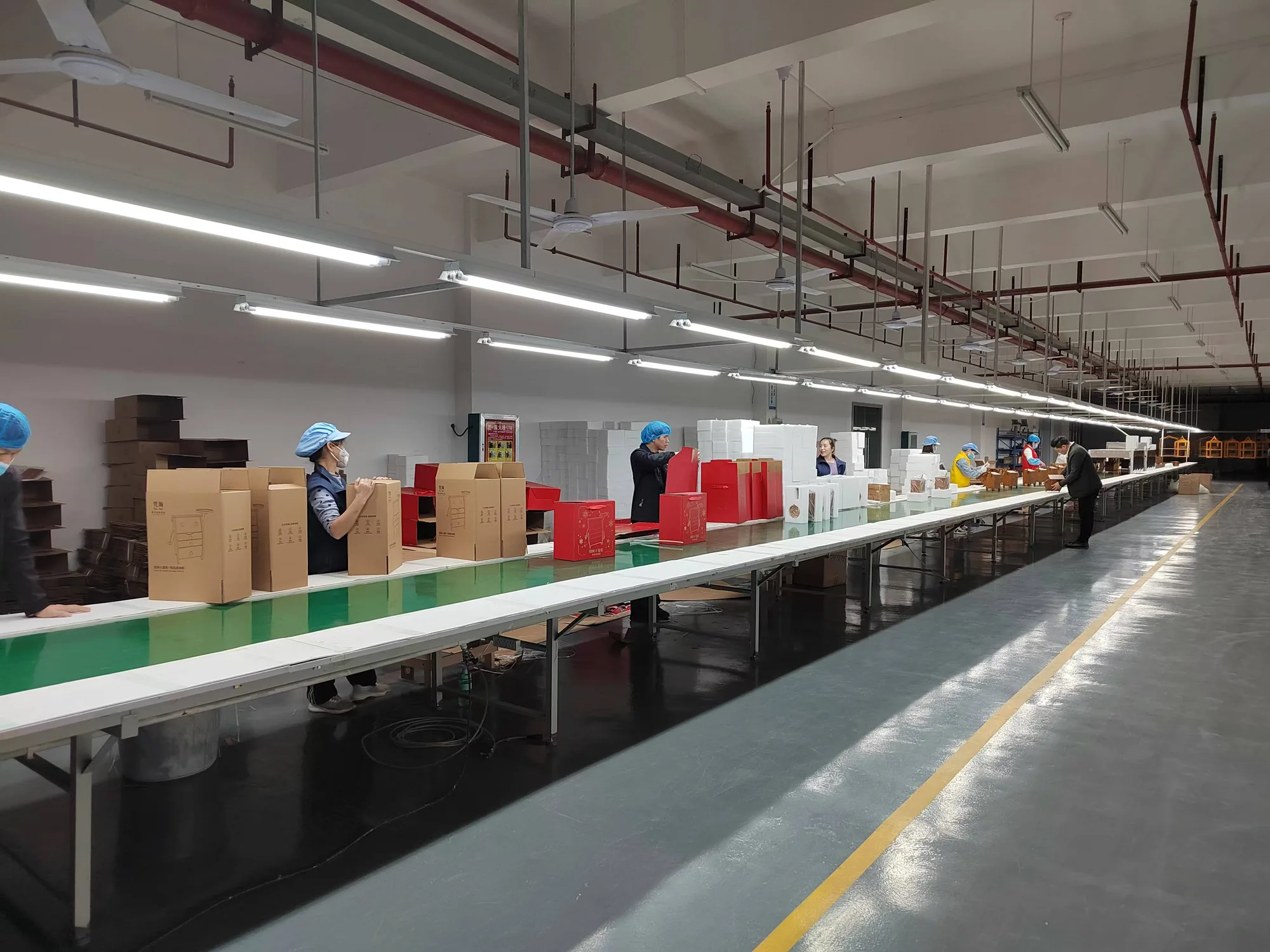
Packing and Shipment Readiness
Confirm surface protection, internal restraint, individual packing, carton quantity, marks and buyer-arranged inspection timing.
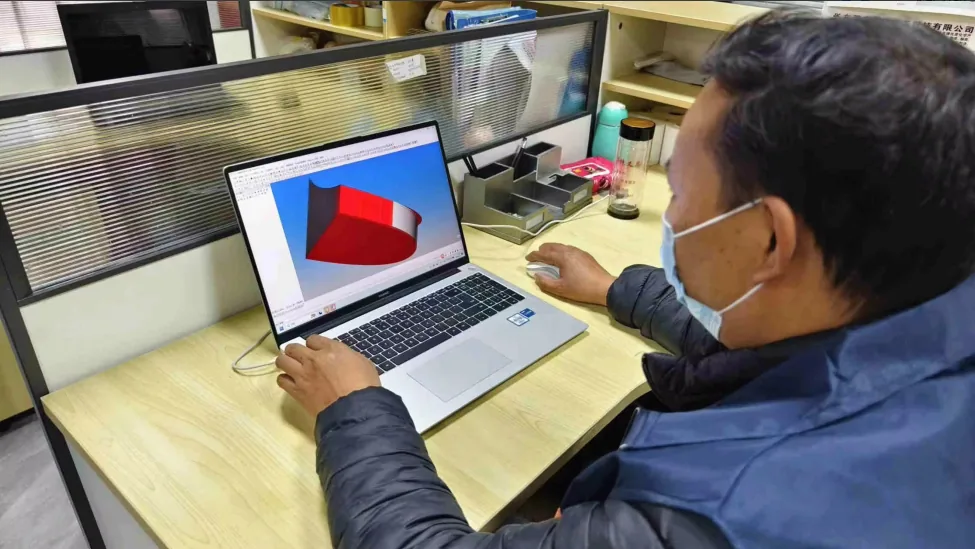
Engineering Before Inspection
A clear drawing and manufacturable structure reduce ambiguity before materials and production capacity are committed.
Control the Details That Affect the Next Process
Inspection Across Materials, Finishing and Assembly
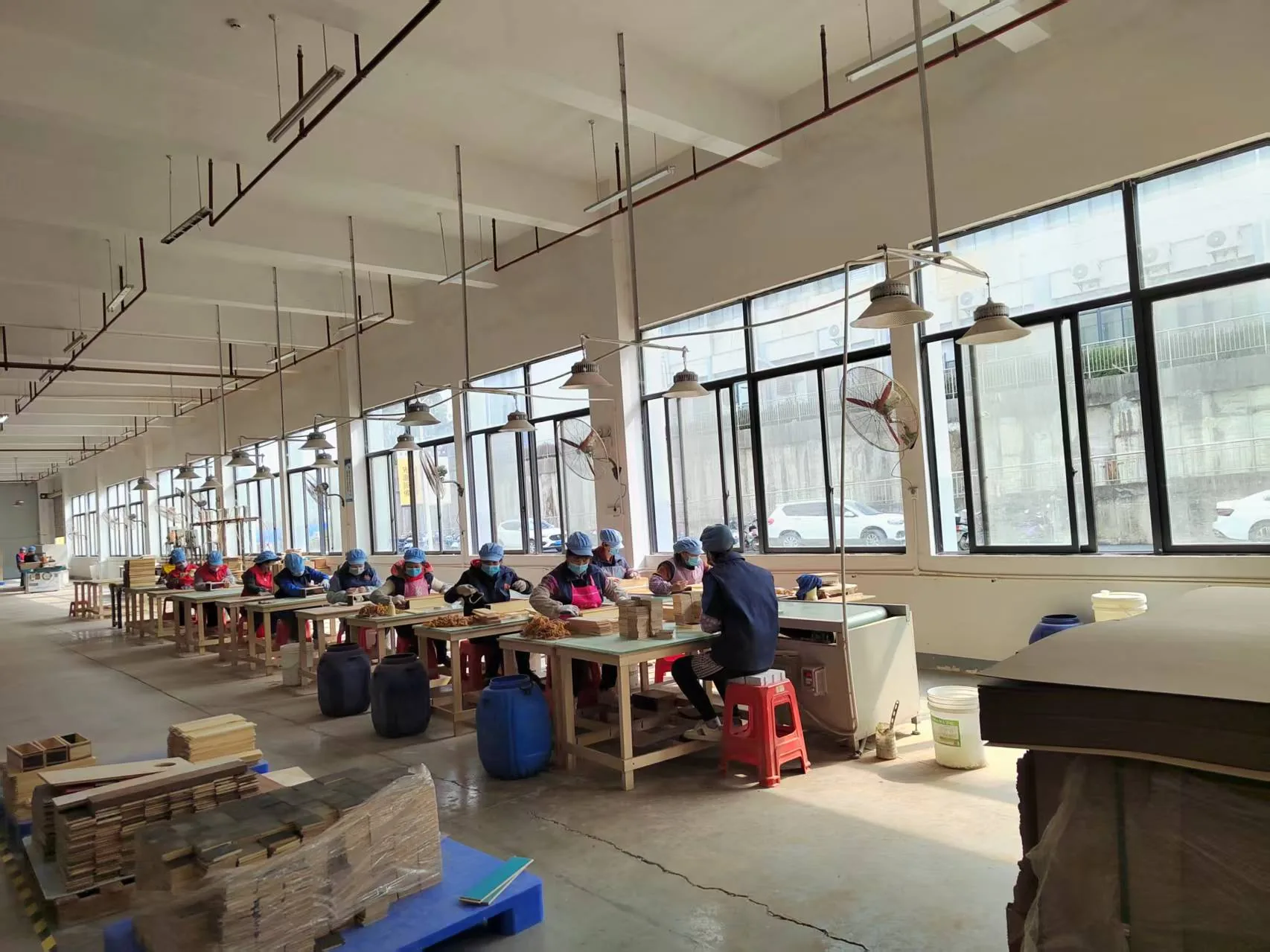
Wooden box manufacturing combines machine processing and experienced manual work. Instead of presenting every production step as identical, we identify critical points according to the material, surface finish, structure and final use of each custom order.
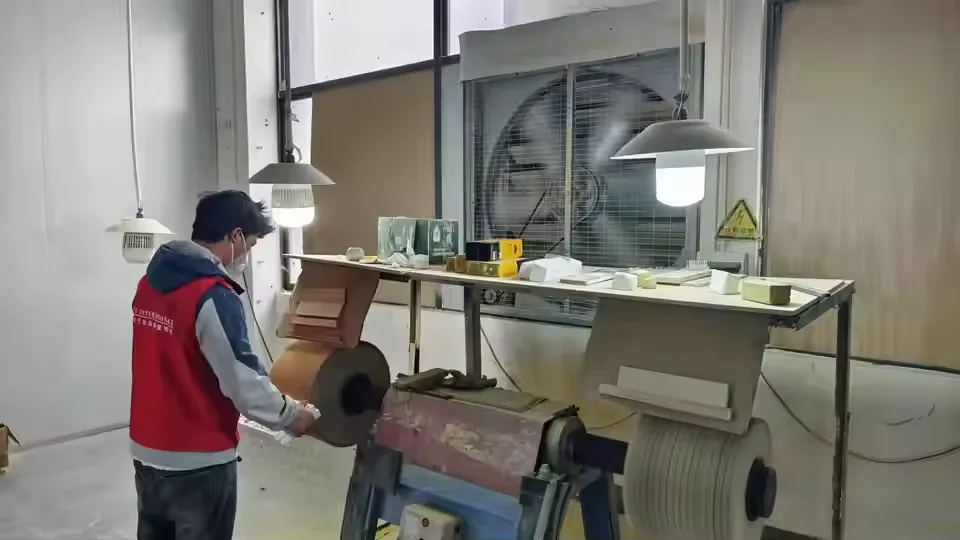
Surface Preparation and Finishing
Sanding, edge preparation, sealing, coating, curing, polishing and protected handling all influence the final appearance. Finish checks should use the actual substrate and approved color or gloss reference.
Functional Review
Assembly, Hardware and Lining
Experienced workers fit hinges, magnets, locks, trays and lining while checking alignment, opening action, visible gaps, cleanliness and product fit. Complex structures need functional review as well as visual inspection.
Wood-Based Materials
Review specified solid wood, MDF, veneer, okoume or cedar components, including visible grain direction and material condition where relevant.
Machining and Structure
Check critical dimensions, panel fit, squareness, joints, cavities, drilling and hardware positions before coating and assembly.
Logo and Decorative Work
Confirm artwork version, location, scale, color, contrast and application quality for engraving, printing, stamping or metal logos.
Insert and Product Fit
Verify cavity dimensions, removal access, lid clearance, lining edges, adhesive cleanliness and movement of the intended product.
Drawing
Dimensions
Sample
Appearance
Brief
Requirements
Approved References
Managing Sample-to-Bulk Consistency
The approved sample is important, but it should not stand alone. Natural grain, lighting, coating thickness and manual assembly can create variation that a photograph cannot define. Reliable wooden box quality control combines the physical sample with drawings, artwork, material descriptions and written notes for critical details.
Before production, both sides should record what must match, what may vary naturally and which changes have been approved. If a revised hinge, color, lining or insert is accepted after the first sample, that revision must become part of the current reference rather than relying on an outdated version.
Freeze approved specifications
Keep current dimensions, materials, finish, logo, hardware, insert, packing and approved changes together.
Identify critical-to-quality details
Prioritize product fit, visible surfaces, brand elements and functions that directly affect buyer acceptance.
Record changes before bulk work
Confirm revised details in writing so production and inspection use the same current reference.
Before Carton Sealing
Final Inspection, Export Packing and Buyer Coordination
Final inspection confirms the completed box and its accessories against the approved project requirements. It does not replace earlier process checks: finish defects hidden by assembly, incorrect cavities or hardware positions are more difficult to correct after completion. The final stage focuses on overall appearance, function, cleanliness, quantity and shipment protection.
Appearance
Visible surfaces, corners, color, gloss, grain direction, scratches, dust, logo and lining cleanliness.
Function
Opening and closing, lid alignment, drawers, hinges, magnets, locks, handles, trays and product fit.
Completeness
Accessories, inserts, cards, hardware, removable parts, individual protection, carton quantity and shipment marks.
Buyer Inspection
Buyer or third-party inspection can be coordinated when requirements, timing and inspection scope are agreed in advance.
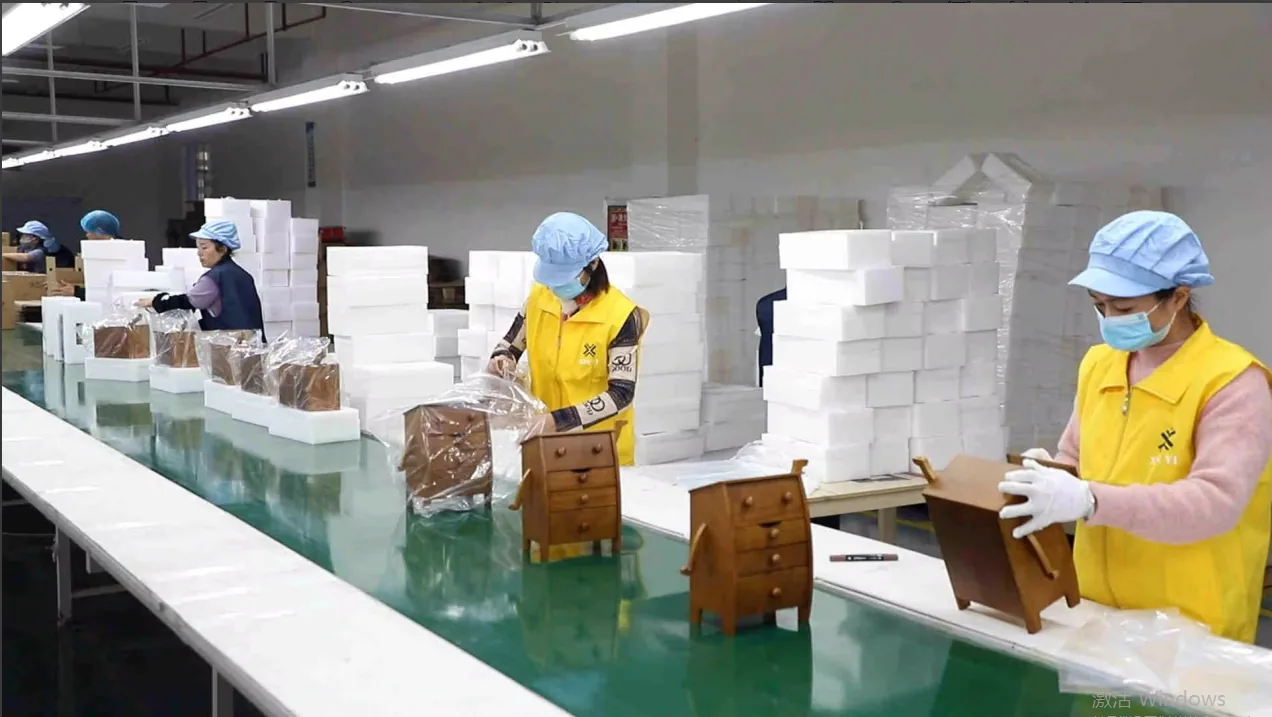
Packaging should match the finish and structure. Glossy or lacquered boxes need careful surface separation; heavy bottle boxes need internal restraint; sets with loose accessories need protection against movement. Final carton construction and pallet requirements depend on shipment method and buyer specifications.
Protection Continues After Inspection
Individual wrapping, inner protection, carton arrangement and handling instructions help the approved finish reach the buyer in the intended condition.
B2B Buyer Questions
Frequently Asked Questions About Wooden Box Quality Control
These answers explain how project references, natural material variation, inspections and buyer requirements work together for custom wooden box orders.
How is the approved sample used during bulk production?
Can every natural wood box have identical grain and color?
What should buyers provide before a quality standard is confirmed?
Can a buyer or third-party company inspect the order?
How are glossy and piano-lacquer surfaces protected?
Does final inspection replace checks during production?
Prepare a Clear Project Reference
Discuss Quality Requirements
Before Bulk Production
Send your drawing, product dimensions, reference images, material, finish, logo, hardware, lining, insert, quantity and packing requirements. Our team will review how the project can be sampled, manufactured and checked for a stable bulk order.
500 pcs
Regular MOQ for custom wooden box and display product projects.
7–15 days
Typical sample time after the main specifications are confirmed.
35–65 days
Typical bulk production range depending on quantity and process.
OEM / ODM
Support from structure review and sampling through bulk production.