
Customization Capability
Wooden Box Surface Finishes
Developed for OEM Production
Wooden box surface finishes define color, gloss, texture, grain visibility and first-contact brand presentation. XRX develops clear, stained, matte, glossy, veneered and selected piano-lacquer surfaces around the actual substrate and structure.
This is a factory capability page: it explains how we prepare, sample, produce and protect finishes for bulk custom orders. For a general comparison of finish types, buyers can also use our Finishing Guide.

MOQ
500 pcs
Sample
7–15 days
Bulk
35–65 days
Select the Complete Surface System
The Finish Must Match the Substrate and Brand Direction
A color chip alone cannot specify a wooden surface. MDF, solid wood, veneer and okoume absorb, move and reveal grain differently. Gloss level, edge profile, logo method, handling and schedule must be considered before sampling.
Natural Clear Finish
Clear varnish protects selected solid wood or veneer while preserving visible grain. Species, panel matching, sanding, stain and acceptable natural variation should be confirmed.
Matte Painted Finish
A soft non-glossy surface supports controlled brand colors and reduces strong reflections. MDF is frequently selected for a smooth and stable painted base.
Glossy Painted Finish
A brighter surface increases retail display impact. Substrate preparation, dust control, coating, curing and protected handling influence the result.
Piano Lacquer
Repeated preparation and polishing create a thick glass-like appearance for selected premium boxes. It requires more process time and careful packing.
Wood Veneer Finish
Natural veneer over a stable base provides grain character with repeatable structure. Grain direction, edge treatment, stain and clear protection are project details.
Custom Color Development
Painted surfaces can be developed from supplied color references, but the approved physical sample remains the practical standard under real lighting.
Appearance Is Specified as a System
A useful finish brief combines substrate, color, gloss, texture, grain visibility and the faces that matter most when the box is closed or displayed. A reference photograph can communicate direction, but it does not define how the same tone will appear on MDF, walnut, oak or natural veneer.
The sample therefore becomes the practical visual reference. Buyers should inspect it under realistic lighting and confirm the lid, sides, corners, underside, interior edges and hardware areas rather than judge only one flat panel. This establishes what the complete object should communicate.
Structure Affects Finish Feasibility
Deep grooves, sharp internal corners, narrow recesses, stepped lids and close hardware gaps create different preparation and coating conditions from a simple rectangular box. A surface that looks appropriate on a sample board may require structural adjustments before it can be repeated on the final box.
This is especially important for polished lacquer and controlled gloss. The factory reviews whether surfaces can be sanded, coated and polished without leaving inaccessible areas, heavy edge build or contact points that damage the appearance during assembly. The finish route is confirmed with the structure, not added after engineering.
Handling and Packing Protect the Result
A finished surface continues through branding, hardware installation, lining, inspection and packing. Each handoff creates possible contact with edges, tools, fixtures or neighboring components. Work sequence and temporary protection are selected around the approved finish and the areas visible to the buyer.
Final packing is also part of surface control. Glossy and polished boxes generally need more separation than rustic clear-finished products, while metal logos, handles and accessories must not press against adjacent surfaces. Individual wrapping, internal support and carton arrangement are reviewed with the actual box dimensions and shipment configuration.
For repeat orders, the approved sample and current color reference should be identified before production restarts. Natural veneer and solid wood still vary, while painted color can be influenced by substrate preparation and gloss. The goal is controlled agreement with the approved direction, not an unrealistic promise that natural surfaces will be visually identical. Any approved change in color, gloss or substrate should be recorded as a new current project reference for comparison.
Surface Preparation
A Premium Finish Is Built Before the Final Coat
Uneven edges, open joints, sanding marks or poorly prepared MDF edges remain visible after coating. Preparation is therefore part of the finish, not a separate cosmetic step.
Substrate Review
Confirm MDF, solid wood, veneer or okoume and identify visible faces, edges, joints and logo areas.
Sanding and Sealing
Prepare flat surfaces, corners and edges so coating behavior is consistent with the approved appearance.
Primer or Base Work
Use the process required by the substrate and finish route before final color or clear layers.
Coating and Curing
Apply the confirmed finish, control handling and allow adequate curing before assembly or polishing.
Polishing and Protection
Complete required polishing and protect visible surfaces through assembly, inspection and packing.
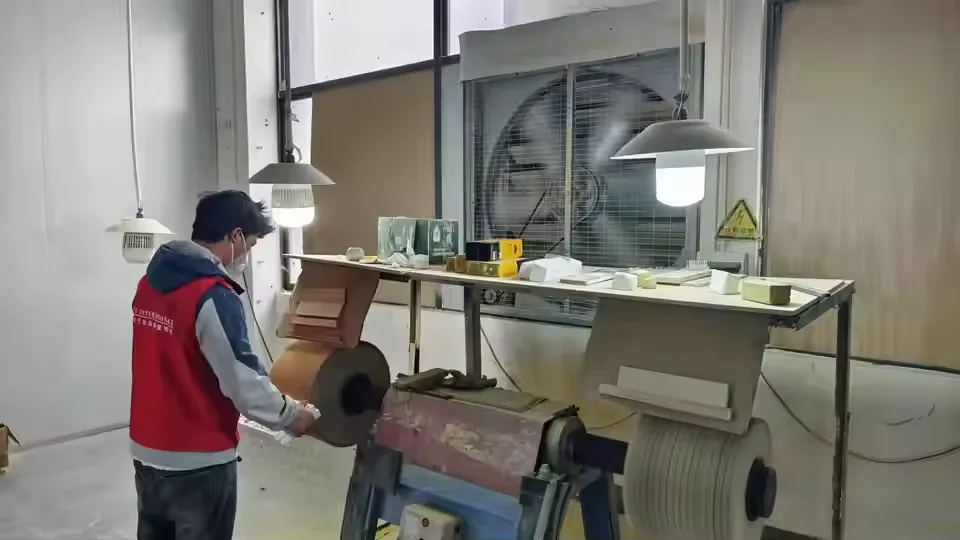
Physical sample approval
Review color, gloss, grain visibility, edge condition and logo appearance on the actual substrate and structure before bulk production.
Factory Finish Portfolio
Surfaces for Different Products and Brand Positions
The same wooden structure can communicate natural craftsmanship, restrained luxury or a high-gloss retail statement depending on material and surface route.
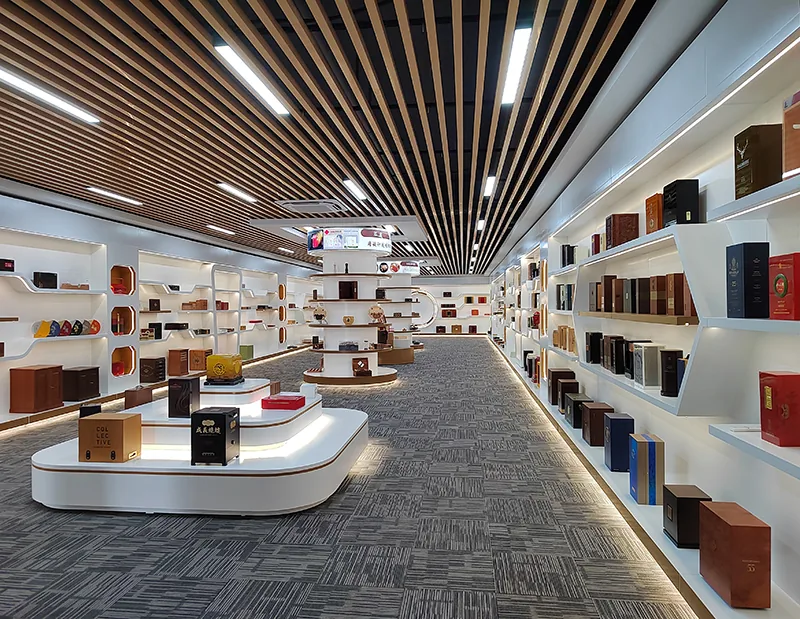
Natural & Veneered
Visible grain for wine, cigar, gift and display projects requiring a material-led appearance.
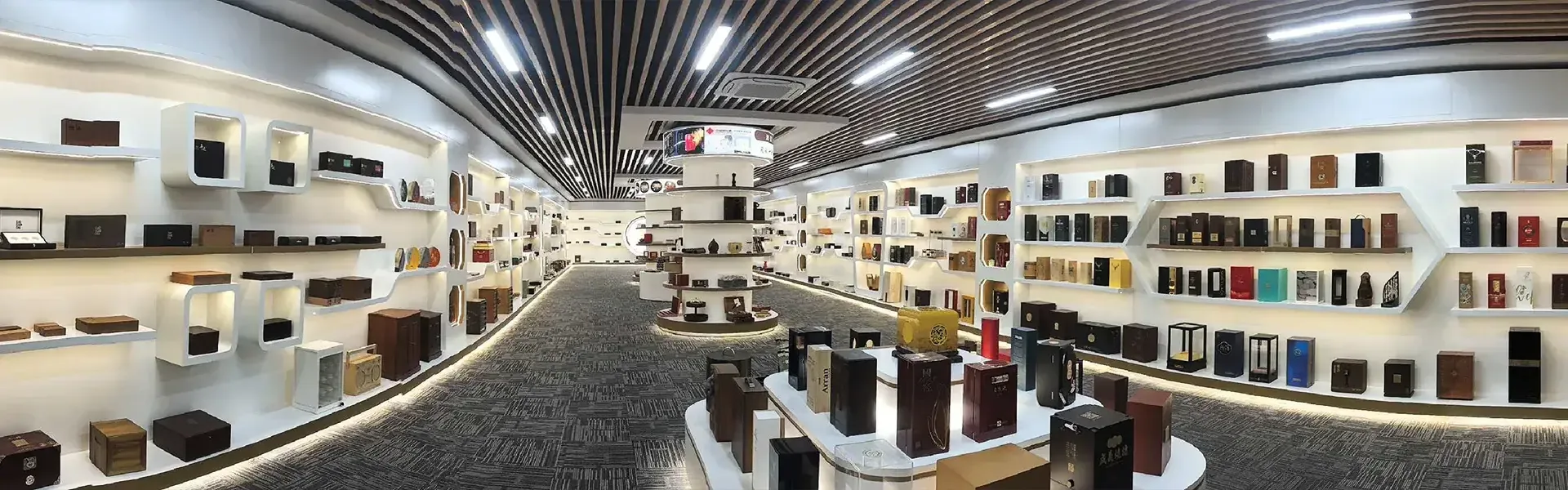
Matte & Gloss Paint
Controlled brand colors for perfume, watch, jewelry, electronics and premium gift packaging.
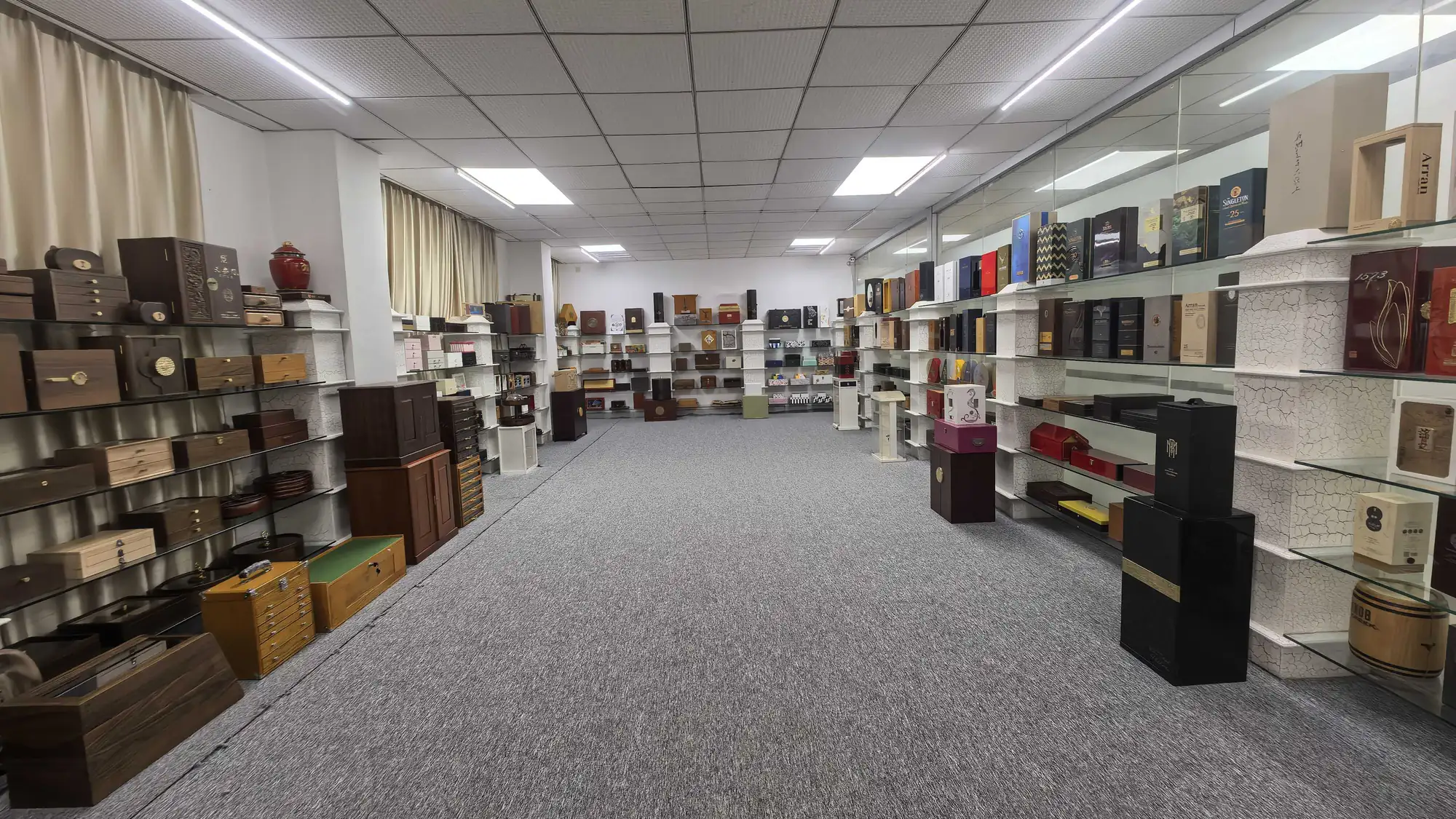
Premium Lacquer
Selected high-gloss surfaces for projects that accept longer preparation, curing, polishing and protection.
Piano Lacquer Capability
A Glass-Like Surface Requires a Longer Production Route
Piano lacquer is selected for premium wine, perfume, jewelry, watch, display and gift projects that need a thick, highly polished surface. The effect depends on stable substrate preparation, repeated coating stages, curing and polishing rather than one heavy final coat.
Corners, recesses, hardware positions and lid gaps influence whether the structure is suitable. Schedule and packing protection should be evaluated at quotation stage. XRX does not recommend piano lacquer automatically when a simpler matte, gloss or veneered route better fits the project.
Structure Review
Confirm shapes, edges and hardware areas.
Coating Route
Plan preparation, color and clear build.
Curing Time
Protect the schedule needed between stages.
Final Protection
Separate polished surfaces during packing.
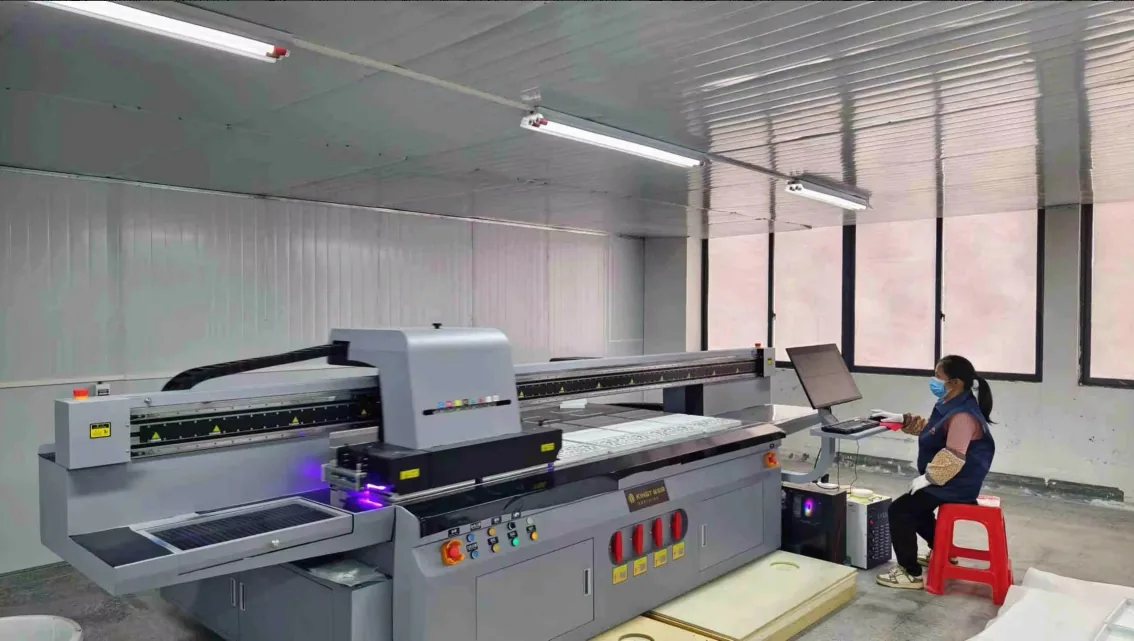
Finish and logo must be approved together
Printing, stamping, engraving and metal plates create different contrast and adhesion on natural, matte, glossy and lacquered surfaces.
Bulk Production Control
Managing Color, Gloss and Surface Protection
Wooden box surface finishes are checked through the production route and again before packing. Natural variation is defined separately from coating defects.
What we confirm
- • Substrate, veneer species and visible grain direction
- • Color reference, gloss level and approved physical sample
- • Edge, joint, corner and recess appearance
- • Logo method, size, location and contrast
- • Hardware installation after finish completion
What buyers should send
- • Target product and box structure
- • Material or substrate preference
- • Color, gloss and texture references
- • Vector logo artwork and placement
- • Quantity, target schedule and packing needs
Read the educational Finishing Guide or review our quality control process.
B2B Buyer Questions
Wooden Box Surface Finishes FAQ
Practical answers for buyers preparing a custom wooden box or display product project.
Which finish is best for visible natural grain?
Is piano lacquer suitable for every wooden box?
Can XRX match a brand color?
Can logos be applied over painted finishes?
Does the finish affect lead time?
How are glossy surfaces protected for shipment?
Send a Color or Finish Reference
Develop the Right Surface
for Your Wooden Box
Share the product, substrate, target color, gloss, grain direction, logo, quantity and schedule. We will review a practical finish route for sampling and bulk production.
20+ Years
Wooden product manufacturing experience
32,000㎡
Production facility
Around 300
Workers
OEM / ODM
Sample to bulk production