
Material Selection & Processing Capability
Wood Materials for Custom Wooden Boxes
and Display Products
Wood materials for custom wooden boxes influence structure, weight, grain, finish, machining, cost and production stability. XRX works with MDF, natural veneer, walnut, beech, oak, rubber wood, pine, birch, okoume and cedar according to the project.
This page explains how our factory matches substrate and wood-based materials to structure, surface process and bulk manufacturing. For a broader educational introduction to each material, buyers can continue to the Materials Guide.
MOQ
500 pcs
Sample
7–15 days
Bulk
35–65 days
Project-Based Selection
Five Questions Before Choosing a Material
The most expensive or visually dramatic material is not automatically the best production choice. Structure, finish, grain requirement, handling and budget should be reviewed together.
What structure is required?
Thin walls, deep cavities, large flat panels, drawers, shaped display parts and hardware positions place different demands on the substrate.
Should grain remain visible?
Natural solid wood or veneer supports visible grain, while MDF is often selected when a controlled painted color is more important.
Which surface finish is planned?
Clear varnish, stain, matte paint, gloss paint, veneer and piano lacquer require compatible preparation and edge treatment.
How will the product be used?
A wine gift box, cigar box, perfume box, jewelry display prop and Bakhoor burner do not share identical material priorities.
What is the order quantity?
Material yield, grain matching, tooling, finish route and repeatability influence the practical choice for a bulk OEM order.
What should the buyer approve?
The physical sample should confirm appearance, weight, grain direction, finish, logo, hardware, interior and product fit together.
Visible Material and Structural Material Can Differ
A box can use a stable engineered core with natural veneer on the visible faces, solid wood components in selected areas, and a separate interior structure. This is not an inferior substitute for a single material; it is a production decision that can balance flatness, machining, grain presentation, finish and weight.
The material schedule should identify which faces remain visible, where edges need special treatment and which components carry hardware or product weight. A clear schedule prevents assumptions based only on the exterior photograph.
Natural Variation Needs an Approval Direction
Walnut, oak, beech, pine, birch and other natural materials vary in grain and tone. Veneer sheets also show natural differences even when they come from the same named species. The buyer should approve an overall character, grain orientation and acceptable range instead of expecting every panel to duplicate one image.
For sets, drawers and boxes with large lids, grain continuity may be an important visual requirement. That expectation should be defined before material cutting and veneer preparation so yield and panel selection can be reviewed realistically.
Finish and Hardware Influence the Choice
A controlled opaque color often leads to a different substrate decision from a clear finish that celebrates grain. Deep routed cavities, thin decorative parts, concealed hinges and heavy products also place different demands on component thickness, joint design and fixing positions.
Material advice is therefore given after the factory sees the structure, finish, logo, hardware, insert and expected quantity. The physical sample confirms how those decisions work together before bulk material is prepared.
Factory Material Portfolio
Common Substrates and Their Practical Uses
Our recommendations are based on the complete project rather than material name alone.
MDF
A smooth, stable engineered base for painted, lacquered and veneered boxes. MDF supports precise machining and controlled brand colors when edges and surfaces are prepared correctly.
MDF with Natural Veneer
Combines structural stability with natural grain. Veneer species, panel matching, grain direction, edge wrapping, stain and protective coating should be confirmed.
Walnut, Beech and Oak
Solid woods for premium projects requiring natural texture and stronger material identity. Grain, tone, machining and clear finishing create natural variation.
Pine, Birch and Rubber Wood
Practical solid wood options for gift, wine, tea and display products depending on structure, appearance, weight and finish direction.
Okoume
A practical lightweight wood material for selected painted, veneered and lacquered wooden box structures.
Cedar
Commonly associated with cigar box interiors and selected cigar packaging. Intended use, cedar scope, finish and buyer requirements must be defined for each project.
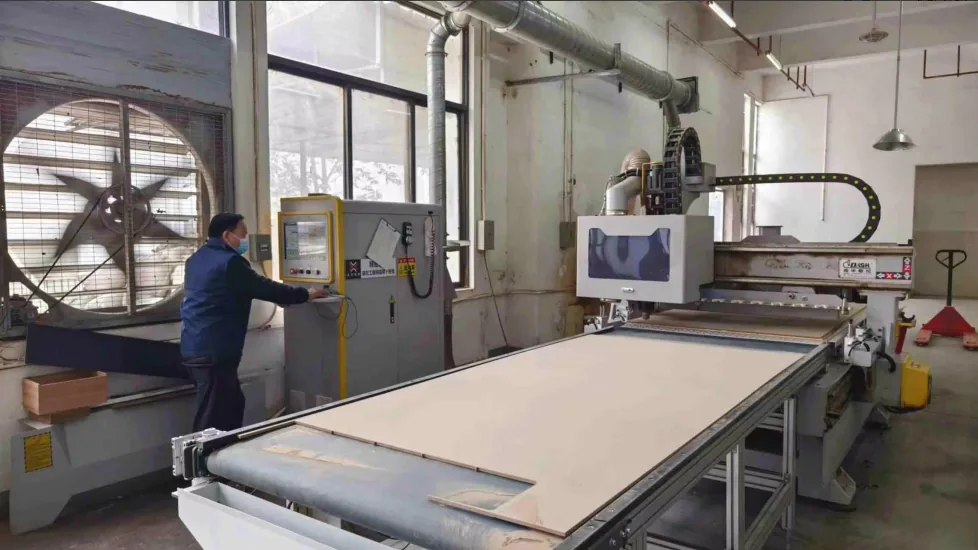
Stable panel dimensions support machining, veneer work, coating and repeatable assembly for bulk orders.
MDF & Veneer
Stable Structures with Different Surface Directions
MDF is widely used when the project requires smooth painted color, gloss, piano lacquer or a stable base for natural veneer. It is not selected to imitate solid wood invisibly; it is selected because its consistency supports precise box structures and controlled finishing.
Natural veneer adds real grain over the prepared base. Grain direction, sheet matching, edge treatment, stain and clear protection affect the final appearance. Large panels, drawers and multi-component sets require a clear grain plan before cutting and pressing.
The final decision should include weight, structure, visible surfaces, finish, logo and expected natural variation. Review our surface finish capability for compatible options.
Natural Material Direction
Solid Wood for Grain, Texture and Product Character
Walnut, beech, oak, pine, birch and rubber wood provide different grain, density, color and machining behavior. Clear varnish or stain can preserve material character, while painted routes may be selected for specific structures and brand directions.
Natural grain cannot be identical across every box. Buyers should approve the species, overall visual direction, grain orientation and acceptable variation rather than expect every panel to copy one photograph.
Premium Grain
Walnut, beech and oak for material-led presentation.
Practical Structures
Pine, birch and rubber wood for selected boxes and displays.
Special Project Materials
Okoume and Cedar Require a Defined Application
These materials are selected for specific structural, weight or product requirements rather than used as universal upgrades.
Lightweight Wooden Box Structures
Okoume can suit selected wooden boxes that need a lightweight structure, smooth processing and painted, veneered or lacquered surfaces. Panel thickness, joints, hardware and finish should be developed on the sample.
It can be considered for gift, wine and presentation boxes where weight and surface direction matter, subject to the final structure.
Cigar Box Components
Cedar is commonly used for cigar box interiors and selected cigar packaging. Buyers should define the intended retail or storage use, cedar components, box capacity, surface finish and any functional expectations.
We do not claim humidity performance unless the complete structure, components and buyer-defined testing requirements are agreed for the project.
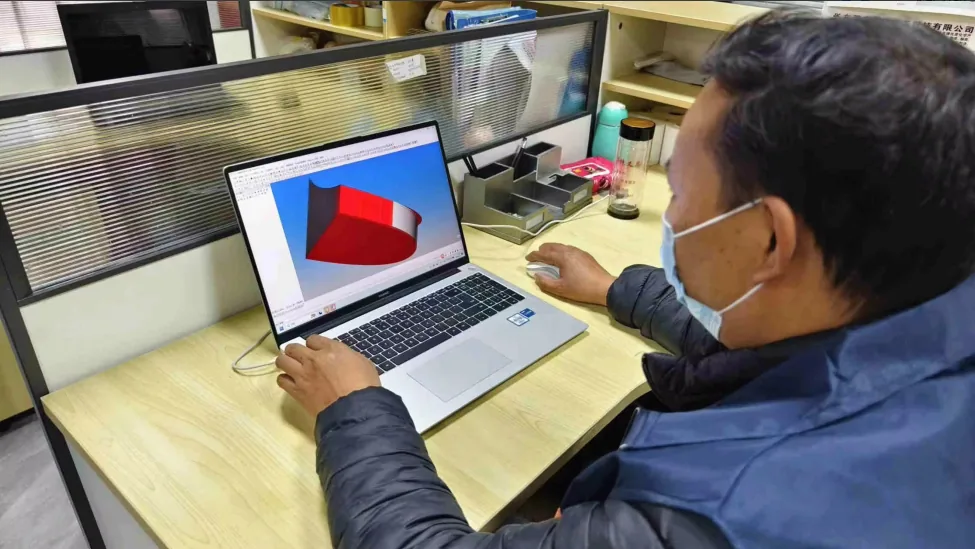
Material Recommendation
What to Send for a Practical Factory Review
Send the product type, dimensions, weight, box or display structure, grain preference, target finish, logo, hardware, lining, insert, quantity, target market and schedule. Reference samples and images are useful when they show the desired material direction rather than only a color.
- • Explain whether natural grain must remain visible
- • Identify large panels, drawers, shaped parts or deep cavities
- • Provide the intended finish and logo method
- • Include the actual product or accurate dimensions
- • State quantity, target cost direction and shipment needs
For educational material comparisons, keep using the original Materials Guide. For production consistency, see Quality Control.
B2B Buyer Questions
Wood Materials for Custom Wooden Boxes FAQ
Practical answers for buyers preparing a custom wooden box or display product project.
Which material is best for a painted wooden box?
Can MDF have a natural wood appearance?
Which solid woods does XRX work with?
Is cedar required for every cigar box?
Can every natural wood box look identical?
What information is needed for material advice?
Share the Structure and Finish Direction
Choose a Material That Works
in Bulk Production
Send product data, drawings or reference images together with grain, color, finish, logo, interior, quantity and schedule requirements for a factory material review.
20+ Years
Wooden product manufacturing experience
32,000㎡
Production facility
Around 300
Workers
OEM / ODM
Sample to bulk production