
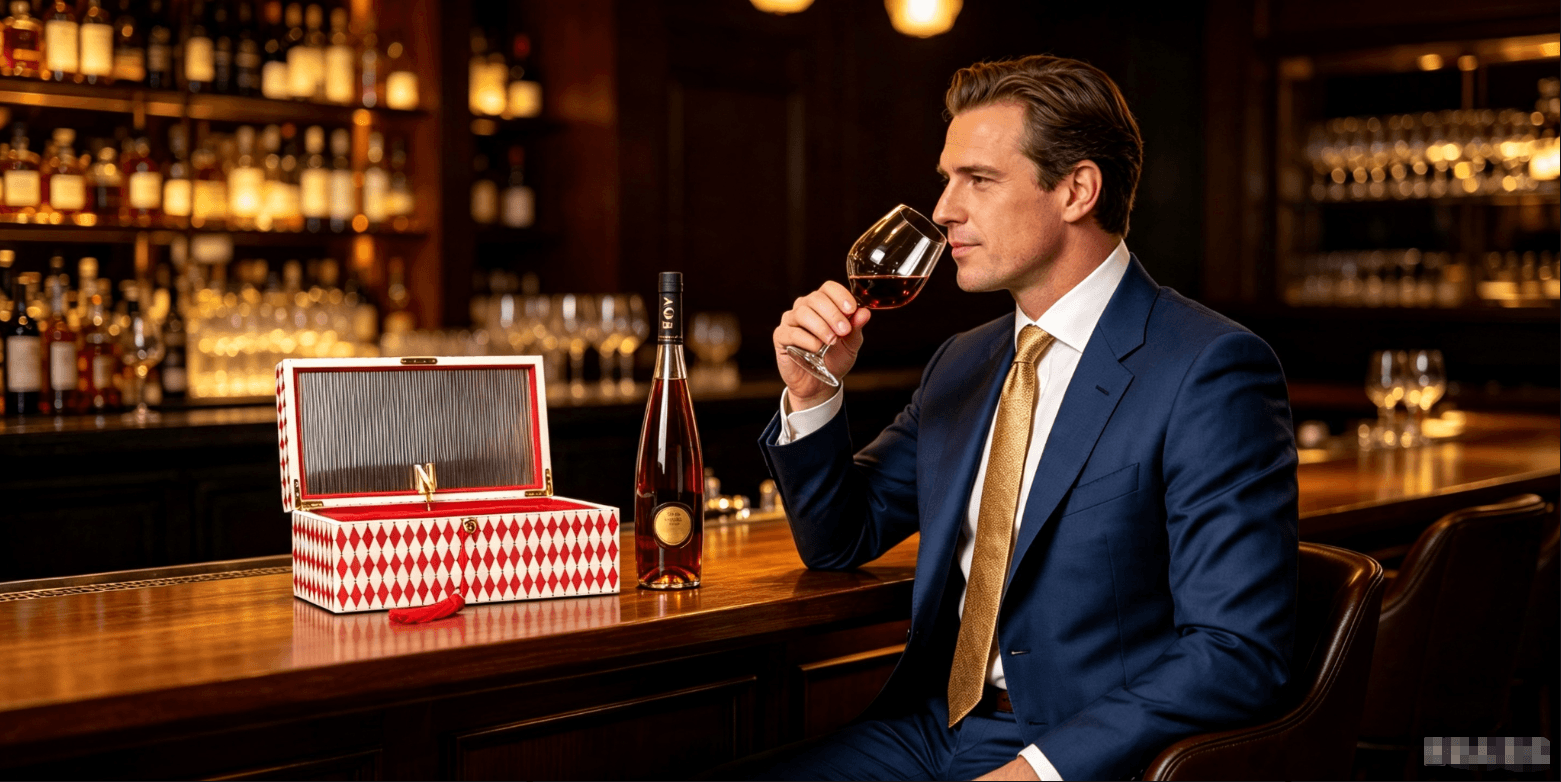

Choosing the right wooden wine box factory is an important decision for wine brands, spirits companies, gift suppliers, importers, and wholesalers. A well-made wooden wine box does more than protect the bottle. It also communicates product quality, strengthens brand recognition, and creates a more memorable unboxing experience.
However, wooden packaging factories can differ significantly in materials, production capabilities, quality control, customization options, minimum order quantities, and delivery times. Before placing a bulk order, buyers should carefully evaluate whether a factory can consistently produce the required wooden wine box according to their specifications.
This guide explains the main factors to consider when selecting a reliable wooden wine box factory and shows how professional manufacturing capabilities can influence product quality, branding, and delivery performance.
1. Check the Factory’s Manufacturing Experience
Experience is one of the first factors to consider when choosing a wooden wine box supplier. An experienced factory is more likely to understand wood characteristics, structural design, surface finishing, packaging requirements, and common problems that may occur during production.
A professional factory should be familiar with different wooden wine box styles, including:
- Single-bottle wooden wine boxes
- Double-bottle and multi-bottle wine boxes
- Hinged-lid wooden wine boxes
- Sliding-lid wooden wine boxes
- Wooden wine gift sets
- Wooden whisky and spirits boxes
- Luxury wooden wine presentation boxes
GuangDong XinRunXing Crafts Co., Ltd., also known internationally as XRX Wood Box, has approximately 20 years of experience in manufacturing custom wooden boxes and premium wooden packaging. This experience allows the company to support customers from initial design and material selection through sampling and mass production.
2. Evaluate the Factory’s Production Capacity
A wooden wine box factory should have enough production capacity to complete orders on time while maintaining stable quality.A well-equipped wooden wine box factory should also be able to manage key production processes in-house, reducing dependence on external suppliers and improving control over quality and lead times.
Buyers should ask about the factory’s size, workforce, machinery, monthly capacity, and production process. A complete production facility should be able to manage cutting, shaping, sanding, veneering, drilling, painting, assembly, inspection, and packaging.
Xinrunxing operates a factory covering approximately 32,000 square meters and has around 300 workers. Its production equipment supports the main processes required for custom wooden wine box manufacturing, including woodworking, sanding, veneering, drilling, lacquer finishing, assembly, dust collection, and final packaging.
A factory with an integrated production system can control more production steps internally, which can help reduce communication delays and improve sample-to-bulk consistency.
3. Compare Wooden Wine Box Materials
The material influences the appearance, weight, durability, cost, and perceived value of a wooden wine box.
Common materials include:
Solid Wood
Solid wood provides a natural texture and premium appearance. Pine, walnut, oak, beech, birch, cedar, rubber wood, and other species may be used depending on the design and budget.
MDF
MDF has a smooth and consistent surface, making it suitable for painting, lacquering, veneering, and logo decoration. It is often selected for luxury wooden wine boxes that require a uniform finish.
Wood Veneer
Wood veneer can create the appearance of natural timber while offering greater consistency in color and grain. Walnut veneer, oak veneer, and other decorative veneers are commonly used for premium wine packaging.
Xinrunxing offers various material options, including walnut, beech, rubber wood, oak, pine, birch, okoume, cedar, MDF, and wood veneer. The appropriate material can be recommended according to the product position, target price, order quantity, and required finish.
When comparing quotations, buyers should confirm the exact material, thickness, grade, moisture level, and surface treatment. A low price may reflect thinner panels, lower-grade materials, or a simplified finishing process.
4. Review the Customization Options
A custom wooden wine box should match the bottle dimensions, brand identity, retail environment, and intended customer experience.
A capable wooden wine box factory should provide flexible customization services so that the packaging can match different bottle sizes, brand styles, price levels, and target markets.
- Box dimensions
- Lid and opening structure
- Wood species or panel material
- Surface color
- Paint or lacquer finish
- Interior lining
- Bottle inserts
- Hardware
- Logo placement
- Outer packaging
The interior structure is especially important. The insert should hold the wine bottle securely and prevent movement during transportation. Depending on the product, the box may use EVA foam, fabric-covered inserts, velvet, satin, paperboard supports, or customized wooden components.
Xinrunxing provides OEM and ODM services for wine, whisky, spirits, baijiu, and wine gift packaging. Its R&D team can assist with structure development, material selection, logo application, surface finishing, and interior lining customization.
Customers may provide drawings, bottle measurements, reference pictures, brand colors, or an existing packaging sample for development.
5. Examine Surface Finishing Quality
The surface finish has a major influence on how customers perceive a wooden wine box. Uneven paint, visible sanding marks, dust particles, color differences, glue residue, or poorly fitted hardware can make premium wine packaging appear inexpensive.
Common surface treatments include:
- Natural wood finish
- Clear lacquer
- Matte paint
- Glossy paint
- Staining
- Veneering
- Brushing
- Distressed finishing
Before confirming an order, buyers should inspect the smoothness, color consistency, corners, joints, lid alignment, hardware installation, and overall cleanliness of the sample.
For high-end wine packaging, it is also important to define the acceptable color range. Natural wood grain and color can vary, particularly when solid wood is used. The buyer and factory should agree on reasonable standards before mass production.
6. Confirm the Logo and Branding Methods
Branding turns a standard wooden wine box into a recognizable presentation package.
Common logo methods include:
- Laser engraving
- Screen printing
- Hot stamping
- Metal logo plates
- UV printing
- Embossed or debossed elements
Laser engraving works particularly well with natural wood because it creates a permanent design while preserving the material’s texture. Metal plates and high-gloss printed logos may be more suitable for luxury spirits and premium gift collections.
The best branding method depends on the logo design, wood material, surface finish, required color, production quantity, and target budget.
A reliable wooden wine box factory should provide a branded sample for approval rather than relying only on a digital rendering.
7. Request a Pre-Production Sample
A sample is one of the most important steps in a custom wooden wine box project. It allows buyers to evaluate the structure, dimensions, material, color, logo, insert, hardware, and overall presentation before mass production begins.
The sample should be checked with the actual wine bottle whenever possible. Buyers should confirm:
- Whether the bottle fits correctly
- Whether the lid opens and closes smoothly
- Whether the insert holds the bottle securely
- Whether the logo size and position are correct
- Whether the finish matches the approved color
- Whether the box is suitable for transportation
- Whether the outer carton provides adequate protection
Xinrunxing’s typical sample development time is approximately 7–15 days, depending on the design, material, surface treatment, and customization requirements.
After approval, the final sample should be treated as the reference standard for mass production. Keeping a signed or clearly documented approved sample can reduce misunderstandings during manufacturing.
8. Ask About Quality-Control Procedures
A reliable wooden wine box factory should have inspection procedures throughout the production process rather than checking products only after completion.
Quality-control points may include:
- Incoming material inspection
- Moisture-content checking
- Dimension inspection
- Sanding and surface inspection
- Color and finish checking
- Logo-position inspection
- Hardware testing
- Insert-fit testing
- Final appearance inspection
- Carton and packaging inspection
For large orders, buyers may also arrange an internal inspection, third-party inspection, or pre-shipment inspection.
Before production, both parties should confirm measurable requirements such as dimensions, tolerances, color range, acceptable natural wood variation, logo position, hardware type, and packaging method.
9. Compare MOQ and Lead Time
MOQ and production time are important commercial factors, especially for new product launches and seasonal gift programs.
Xinrunxing’s regular minimum order quantity is approximately 500 pieces. The exact MOQ may depend on the wooden wine box material, dimensions, hardware, logo method, finish, and interior accessories.
Bulk production generally takes around 35–65 days after the sample and order details are confirmed. More complicated structures, special finishes, customized hardware, or peak production periods may require additional time.
Buyers should avoid selecting a factory based only on the shortest promised lead time. An unrealistic schedule may result in rushed production, unstable finishing, or insufficient inspection.
A professional factory should provide a production schedule based on the confirmed design and actual manufacturing requirements.
10. Review Packaging and Shipping Protection
Although a wooden wine box is more durable than many paper packages, it can still be scratched, dented, or damaged during transportation.
The factory should use suitable protective materials, such as:
- Protective bags
- Tissue paper
- Foam sheets
- Corner protection
- Individual inner cartons
- Reinforced export cartons
- Pallets when required
The packaging method should be selected according to the box finish, hardware, destination, shipping method, and customer requirements.
For painted or glossy wooden wine boxes, individual protection is particularly important because surfaces may rub against each other during shipping.
11. Evaluate Communication and Development Support
Communication is essential in customized packaging projects. The factory should be able to understand drawings, bottle dimensions, reference images, logo files, color requirements, and quality expectations.
A reliable supplier should clearly explain:
- Which materials are suitable
- Which structures are practical
- Which logo methods can achieve the desired effect
- Which design details may increase costs
- How long sampling and production will take
- What information is required before quotation
Xinrunxing has a dedicated R&D team of approximately 10 staff members supporting product development and customized wooden packaging projects. This enables the company to work with wine brands, gift companies, wholesalers, importers, trading companies, and other B2B customers.
Why Choose Xinrunxing for Custom Wooden Wine Boxes?
GuangDong XinRunXing Crafts Co., Ltd. is a professional manufacturer specializing in high-end custom wooden boxes, wooden packaging, display props, gift products, and wooden incense burners.
For wooden wine box projects, the company offers:
- Approximately 20 years of wooden box manufacturing experience
- A 32,000-square-meter production facility
- Around 300 experienced workers
- An in-house R&D team
- OEM and ODM services
- Multiple solid wood, MDF, and veneer options
- Customized structures, finishes, logos, linings, and inserts
- Support for wine, whisky, spirits, baijiu, and gift-set packaging
- Sample development before mass production
- Integrated production and quality-control processes
Whether the project requires a simple sliding-lid wooden wine box or a luxury wooden wine presentation box with customized lining and branding, Xinrunxing can develop the packaging according to the bottle dimensions, brand positioning, and target market.


Questions to Ask a Wooden Wine Box Factory
Before selecting a supplier, consider asking the following questions:
- How many years have you manufactured wooden wine boxes? 20 years
- Are you a direct factory or a trading company? Industry and trade integration
- Which materials do you recommend for this design? Solid wood, such as pine, beech, oak or walnut, is suitable when the design emphasizes natural texture and craftsmanship. Pine is a more economical option, while oak and walnut provide a more premium look. The final recommendation depends on the target price, box structure, surface finish, order quantity and brand positioning.
- Can you customize the dimensions and interior insert? Yes. Xinrunxing can customize the box length, width, height, lid structure and internal layout according to the bottle dimensions and packaging requirements.
Interior inserts can also be customized to hold the bottle securely. Available options include EVA foam, velvet-covered foam, satin or fabric lining, paperboard supports, molded inserts and wooden dividers. Inserts can be designed for one bottle, multiple bottles, wine glasses, corkscrews or other accessories.
For accurate development, customers can provide the bottle dimensions, bottle weight, product drawings, reference images or physical samples. A prototype can then be produced to confirm the fit before mass production.
- Which logo methods are available? We offer several logo customization methods, including laser engraving, screen printing, hot stamping, UV printing, metal logo plates, embossing, and debossing. The most suitable method depends on the wooden material, surface finish, logo design, order quantity, and desired visual effect.
- Can you match a specific color or finish? Yes. Xinrunxing can match specific colors and finishes based on Pantone references, physical samples, color swatches, or reference images. Available finishes include natural wood, wood stain, matte paint, glossy paint, clear lacquer, veneer, brushed finishes, and other customized surface treatments. A sample should be approved before mass production because natural wood grain and color may vary slightly.
- What is the minimum order quantity? 500 pcs
- How long does sample development take? 7-15 days
- What is the estimated mass-production lead time? 35-60 days
- How do you control sample-to-bulk consistency? Xinrunxing uses the approved sample as the production reference. Materials, dimensions, colors, logo placement, hardware, lining, and packaging requirements are documented before production. Quality inspections are carried out during material preparation, woodworking, sanding, painting, assembly, logo application, and final packaging to maintain consistency throughout the order.
- Can you provide inspection reports or support third-party inspection? Yes. Inspection records or reports can be provided according to the agreed requirements. Customers may also arrange a third-party pre-shipment inspection. The factory can cooperate with inspection companies and provide access to the finished products, packaging, quantity records, and relevant order specifications.
- How will each wooden wine box be packed for export? Each wooden wine box can be individually protected with tissue paper, a protective bag, foam, or other suitable materials to prevent scratches and surface damage. The boxes are then placed in inner cartons or reinforced export cartons. Corner protection, dividers, foam sheets, and pallets can also be used when required. The final packing method is determined according to the box finish, dimensions, shipping method, and customer requirements.
Clear answers to these questions can help buyers compare suppliers more accurately.
Conclusion
Choosing a wooden wine box factory requires more than comparing prices. Buyers should evaluate the factory’s experience, production capacity, materials, customization capabilities, finishing quality, sample process, quality control, MOQ, lead time, and export packaging.
A reliable factory should be able to transform a packaging concept into a practical and consistent product while protecting both the wine bottle and the brand image.
With approximately 20 years of experience, an extensive production facility, OEM and ODM capabilities, and multiple customization options, Xinrunxing provides custom wooden wine box solutions for wine brands, spirits companies, gift suppliers, importers, and wholesalers.
To begin a project, customers can send their bottle dimensions, drawings, logo files, reference pictures, required quantity, and preferred material. Xinrunxing can then recommend a suitable wooden wine box structure and provide a customized quotation.
wooden wine box factory,custom wooden wine box,wooden wine box manufacturer,wooden wine box supplier,wooden wine packaging box