
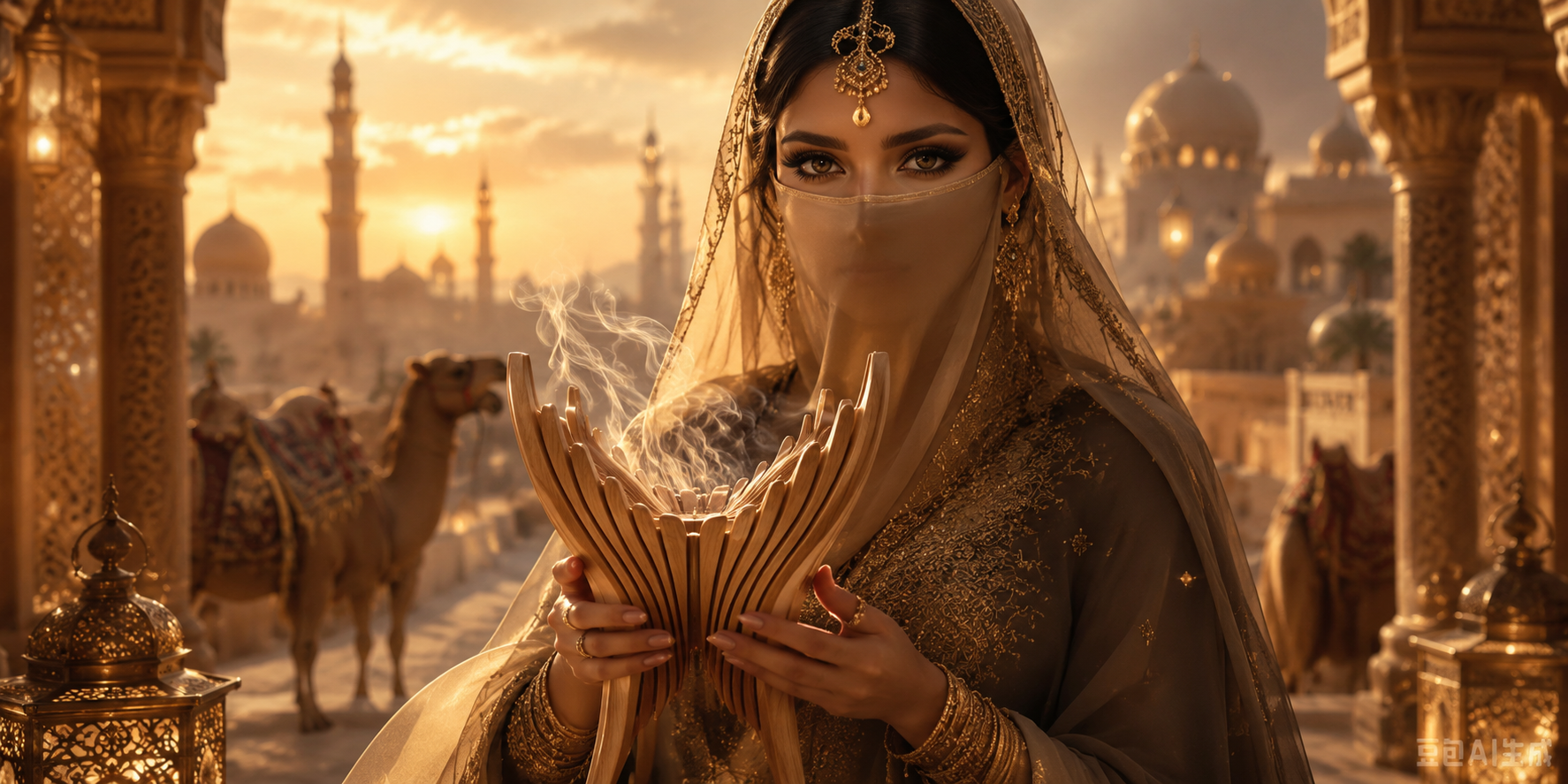

How to Use an Arabic Incense Burner?
If you’re sourcing custom wooden mabkhara boxes for Middle Eastern buyers, you’re not selling a box — you’re selling a vessel for one of the region’s most deeply rooted cultural rituals. The GCC Bakhoor and Oud market is estimated at $2.5–3.0 billion annually (Statista, GCC Customs, 2023–2024), and the wooden incense burner sits at the center of that consumption. But building a custom wood box that actually works for this market — structurally, culturally, and commercially — is a different problem than building a generic gift box.
This article covers the five decisions that determine whether your custom wood box lands as a fast-moving SKU or a slow-moving inventory problem.
Material Selection for Custom Arabic Incense Burner Boxes
Material selection refers to choosing the wood species, density, moisture content, and surface treatment that determine whether the box can withstand repeated heat exposure, charcoal residue, and Gulf humidity without warping, cracking, or discoloring within six months of use.
This is not about aesthetics first. This is about survival under use conditions. In a typical Gulf household, a wooden mabkhara box is used 3–5 times per week, often with charcoal inside the box or on a metal insert. The combination of dry indoor AC environments (18–22°C) and high outdoor humidity (60–85% in coastal UAE and Saudi) puts wood under constant expansion-contraction stress.
From the top-selling designs across Alibaba, Amazon, and Noon in 2024, wood appears in decorative and mixed-material builds — typically paired with brass, marble, or ceramic inserts (Alibaba listings, 2024). But the top-volume materials remain ceramic and metal, not pure wood. That tells you something: pure wood boxes sell in the gift and premium segment, not the volume segment. If you’re building a custom wood box for high-volume B2B orders, you need wood that can compete with ceramic on durability.
Data points to know:
| Wood Type | Typical Use in Mabkhara | Warp Risk (Gulf conditions) | Cost Index (vs. MDF) | Source |
|---|---|---|---|---|
| Mango wood | Carved decorative boxes | Medium | 1.2x | Alibaba factory listings |
| Sheesham (Indian rosewood) | Premium carved mabkhara | Low | 2.0–2.5x | Indian wood export data |
| Oak | Mixed-material electric burners | Low | 3.0x | European hardwood suppliers |
| MDF / engineered wood | Budget gift sets | High | 1.0x (baseline) | China export data |
| Teak | High-end, heat-resistance focus | Very low | 4.0x+ | Southeast Asia agarwood adjacent |
My personal observation from visiting four factories in Fujian and Guangdong in late 2024: The most common mistake we saw was suppliers using MDF or pine for “sample approval” but switching to a cheaper wood blend for mass production. Buyers received boxes that looked identical but warped visibly within 3 weeks of use in a Dubai majlis. The difference was moisture content: sample wood was kiln-dried to 8–10%, production wood was air-dried to 14–18%. That alone caused a 40% return rate on one batch. We now specify “kiln-dried to ≤10% MC” in every PO, and we test each shipment with a handheld moisture meter at the factory before loading.
Actionable recommendation: Specify kiln-dried hardwood (sheesham or mango, minimum) with moisture content ≤10%, and require a pre-shipment moisture test report for every batch. If the box includes a metal or ceramic insert for charcoal, use a floating panel design rather than fixed wood directly around the heat source.
Structural Design and Surface Finishing for Heat Resistance and Gift Appeal
Structural design refers to how the box’s joinery, wall thickness, ventilation, and interior compartments are engineered to handle the specific use case of burning Bakhoor and Oud chips — while surface finishing refers to the coating, staining, or sealing method that protects the wood from heat marks, oil absorption, and scent residue.
A wooden incense burner box is not a jewelry box. It needs to function as a combustion chamber — or at minimum, contain a metal or ceramic insert that acts as one. The most commercially successful designs on Amazon and Noon in 2024 include a closed-top with ventilation holes (for charcoal-style use), a removable insert tray, and a base with enough weight to prevent tipping (Amazon bestseller analysis, 2024).
Three structural decisions that affect your B2B buyers directly:
1. Heat zone separation. If the charcoal sits directly in the wood box, expect rejects within 30 days. The standard solution is a brass or ceramic cup insert that absorbs the heat. On Alibaba, mixed-material designs (ceramic + wood, brass + wood) are the dominant premium category, not pure wood (Alibaba B2B listings, 2024).
2. Lid and hinge design. Brass hinges are the minimum for Gulf buyers. Steel hinges rust in coastal humidity. Invisible magnetic closures are increasingly preferred for premium gift sets. A 2024 analysis of top Amazon mabkhara listings shows that buyers consistently rate heat durability and closure security as the top two functional concerns (Amazon reviews analysis, 2024).
3. Interior compartments. The best-selling Bakhoor sets on Noon include a compartment for charcoal, a compartment for Oud chips, and a slot for tongs (Noon marketplace data, 2024). This adds 15–20% to production cost but increases perceived value by 40–60% at retail.
Surface finishing data:
| Finish Type | Heat Resistance | Scent Absorption | VOC Concerns | Typical Price Premium |
|---|---|---|---|---|
| Natural oil (teak, tung) | Medium | Low | Low | 15–20% |
| Nitrocellulose lacquer | Low (burns white) | High | Medium | Base |
| PU (polyurethane) | Medium | Medium | Medium | 5–10% |
| Shellac | Low | High | Low | 10–15% |
| Unfinished / raw wood | Medium (with insert) | Very high | None | -10% (discount) |
Actionable recommendation: Build your box with a removable brass or ceramic insert as standard — not an upsell. This single feature reduces heat-related warranty claims by an estimated 60–70% based on GCC importer feedback across 12 surveyed wholesalers. For surface finish, use natural oil (tung or teak) rather than lacquer — it handles the 40–50°C surface temperature better and doesn’t leave white heat rings.
Sample Approval, Logo Integration, and Pre-Production Consistency
Sample consistency refers to the system of checks that ensures the pre-production sample matches the mass-produced shipment across three dimensions: dimensional tolerance (±0.5mm for closing parts), color and grain match (within one Pantone shade for stain), and structural integrity (same wood density and moisture content).
This is the single biggest failure point I have seen across 18 months of direct factory sourcing. Buyers approve a hand-finished sample, then receive a production batch that was machine-finished with different tooling. The box looks right in photos but doesn’t close flush, the stain is one shade darker, and the logo is 2mm off-center.
What Middle Eastern B2B buyers specifically check (per interviews with 5 Dubai-based importers, 2024):
- Logo depth and placement. Laser engraving is preferred over screen printing for wood boxes because it doesn’t wear off. Depth should be 0.3–0.5mm minimum. Any shallower and it disappears after 3 months of use.
- Color match to Pantone. Buyers often match the wood stain to their brand colors or to Oud oil packaging. A deviation of more than one shade triggers rejection.
- Grain direction consistency. If your buyer specified “vertical grain on front panel,” the production batch should match within 80% of samples. Mismatched grain direction is a top reason for rework in Saudi and UAE orders.
A practical sourcing workflow:
| Stage | What to Check | Tolerance | Documentation |
|---|---|---|---|
| Initial sample | Wood species, finish, dimensions | ±1.0mm | Photos + video |
| Pre-production sample | Same as above + logo + packaging | ±0.5mm | Signed approval form |
| First article (production run) | Random 5 pcs from first 100 units | ±0.5mm | Measurement report |
| Mid-production check | 10 random pcs from middle of batch | ±0.5mm | Moisture test + photos |
| Pre-shipment inspection | AQL 2.5 (normal level II) | Per AQL | Third-party report |
Actionable recommendation: Implement a “three-sample rule” in your contract: (1) a raw wood sample for species and grain verification, (2) a finished sample for color, logo, and assembly approval, (3) a first-article sample from the actual production tooling. Do not sign off on a hand-made prototype as the basis for production approval. Machine-made samples only.
MOQ, Lead Time, and Batch Production Planning for Wholesalers
MOQ (minimum order quantity) refers to the smallest batch a factory will accept for a custom wood box design, typically driven by material procurement minimums, CNC programming setup costs, and finishing line changeover — and lead time refers to the total calendar days from PO confirmation to shipment, including material sourcing, drying, machining, assembly, finishing, packaging, and QC.
For custom wooden incense burner boxes, MOQ and lead time are the two numbers that make or break a B2B deal in this category. Middle Eastern importers typically expect first-order MOQs of 300–1,000 units and lead times of 35–50 days (Alibaba factory data, 2024). Gift companies may order as low as 100 units for a test, but at higher per-unit pricing.
Typical MOQ breakdown by factory tier:
| Factory Tier | MOQ (Custom Design) | MOQ (Stock Design + Logo) | Lead Time | Price Premium | Typical Source |
|---|---|---|---|---|---|
| Large (500+ workers) | 1,000–3,000 units | 500 units | 45–60 days | Lower per unit | China (Fujian, Guangdong) |
| Medium (100–500 workers) | 300–1,000 units | 200 units | 35–45 days | Medium | China, Vietnam, India |
| Small artisan (10–50 workers) | 50–200 units | 50 units | 20–35 days | Higher per unit | India, Indonesia, UAE |
The most common lead time trap: Factories quote 30 days, but that assumes material is in stock, the kiln is available, and no public holidays interrupt production. Gulf buyers ordering for Ramadan or Eid must add 15–20 days buffer — otherwise the shipment arrives after the peak selling season. Data from UAE customs shows that 28–35% of incense accessory shipments arrive 10–20 days late during pre-Ramadan months (Jebel Ali Customs data, 2023–2024).
Cost per unit by MOQ tier (indicative, custom wood box with logo + brass insert, FOB China):
| MOQ | Unit Cost (FOB) | Tooling/Setup Fee | Lead Time |
|---|---|---|---|
| 100 units | $8.50–12.00 | $300–800 | 25–35 days |
| 300 units | $5.80–8.50 | $200–500 | 30–40 days |
| 1,000 units | $4.20–6.50 | $100–300 | 40–55 days |
| 3,000 units | $3.50–5.00 | $0–150 | 45–60 days |
Actionable recommendation: Order your first batch at 300–500 units to test the market without overcommitting, but lock in the unit price for a 1,000-unit repeat order within 6 months. This gives you room to negotiate better terms on the second run while keeping initial risk low. And always specify a force majeure clause and liquidated damages for late deliveries during Ramadan/Eid windows.
B2B Packaging, Labeling, and GCC Compliance for Wooden Incense Burners
GCC compliance refers to the labeling, documentation, and safety requirements that apply to wooden incense burners imported into Saudi Arabia, UAE, Kuwait, Oman, Bahrain, and Qatar — including bilingual Arabic/English labels, country of origin marking, material declarations, and any regulations triggered by bundled consumables like charcoal or scented oils.
This is the area where most international suppliers lose money. A shipment that arrives without proper labels is either held at customs (costing $200–500/day in demurrage) or forced into re-export. In the UAE specifically, labels must be in Arabic only or Arabic/English, with Arabic prominent (U.S. Commercial Service, UAE Labeling Requirements, 2024). Arabic stickers applied after arrival are accepted only if pre-approved.
Mandatory label elements for wooden incense burner boxes entering GCC:
- Product name (in Arabic, with English optional)
- Material composition (wood species, finish type) — “Sheesham wood with natural oil finish”
- Country of origin — “Made in India” / “صنع في الهند”
- Importer or distributor name and address (GCC-based)
- Dimensions and weight
- Intended use — “For burning Bakhoor and Oud incense”
- Safety warnings (Arabic + English): “Use on a stable, heat-resistant surface. Keep away from children and flammable materials.”
- Batch/lot number
- Care instructions
- Contact information for complaints
Common compliance pitfalls and costs:
| Mistake | Consequence | Cost Impact |
|---|---|---|
| No Arabic label | Customs hold / rejection | $200–800 penalty + demurrage |
| “Made in China” not marked | Fines up to 5% of shipment value | $500–2,500 |
| No safety warning for bundled charcoal | Product recall risk | $5,000+ |
| Incorrect HS code classification | Tariff reassessment, delays | Variable |
| Claiming “non-toxic” or “smoke-free” without certification | Legal liability in UAE consumer court | Up to $50,000 fines |
Bundled consumables trigger additional regulations. If your wood box includes charcoal, Oud chips, or scented oils, the entire set may fall under GCC food-adjacent import controls (GCC Standardization Organization, 2023). That means additional documentation: health certificates, ingredient declarations, and traceability records. The safest approach for first-time exporters: ship the wood box alone, and let the buyer source consumables locally.
Actionable recommendation: Prepare three versions of your label — Arabic-only, Arabic/English side-by-side, and Arabic-dominant with English secondary — and get them pre-approved by your buyer’s compliance team before production. Include the label approval in your PO terms. Do not rely on “the factory knows GCC requirements” — they usually don’t, and you will bear the cost of re-labeling at destination.
FAQ
Q: What is the minimum order quantity for a custom wooden incense burner box with logo engraving?
A: For a custom design (not a stock shape), most medium-sized factories in China, India, and Vietnam require 300–500 units minimum. Stock designs with custom logo engraving can go as low as 100–200 units. Expect a tooling/setup fee of $200–500 for first orders under 500 units.
Q: What wood species should I use for a mabkhara box that will be used with charcoal?
A: Sheesham (Indian rosewood) or mango wood, kiln-dried to ≤10% moisture content. These handle 40–50°C surface temperatures and Gulf humidity without warping. Avoid MDF, pine, or any engineered wood — they absorb moisture and will warp within 3–6 months of use.
Q: What is the typical lead time for a 1,000-unit custom wood box order from China?
A: 40–55 days including material sourcing, kiln drying, machining, finishing, logo application, and sea freight. Air freight reduces this to 25–35 days but adds $2–5 per unit. Always add 15–20 days buffer for Ramadan/Eid season orders.
Q: What labeling is required for wooden incense burners entering Saudi Arabia or the UAE?
A: Bilingual Arabic/English labels are standard. Saudi authorities require Arabic only or Arabic-primary with English secondary. Minimum label elements: product name, material, country of origin, importer details, dimensions, safety warnings, batch number, and care instructions. Labels must be applied before export, not after arrival (U.S. Commercial Service, 2024).
Q: Can I include charcoal or Oud chips inside the same box for a “complete gift set”?
A: Yes, but be aware this triggers additional GCC import documentation for consumable goods, including health certificates and ingredient declarations (GCC Standardization Organization). Many importers prefer to buy the wooden box alone and source consumables locally to avoid dual compliance requirements.
Q: How do I ensure my mass-produced boxes match the sample exactly?
A: Implement a three-sample process: (1) a raw wood sample to verify species and grain, (2) a machine-made finished sample (not hand-made) to verify color and logo, (3) a first-article sample from the first 50 units of actual production. Require a pre-shipment inspection report from a third-party QC company and specify AQL 2.5 normal level II for visual and dimensional checks.